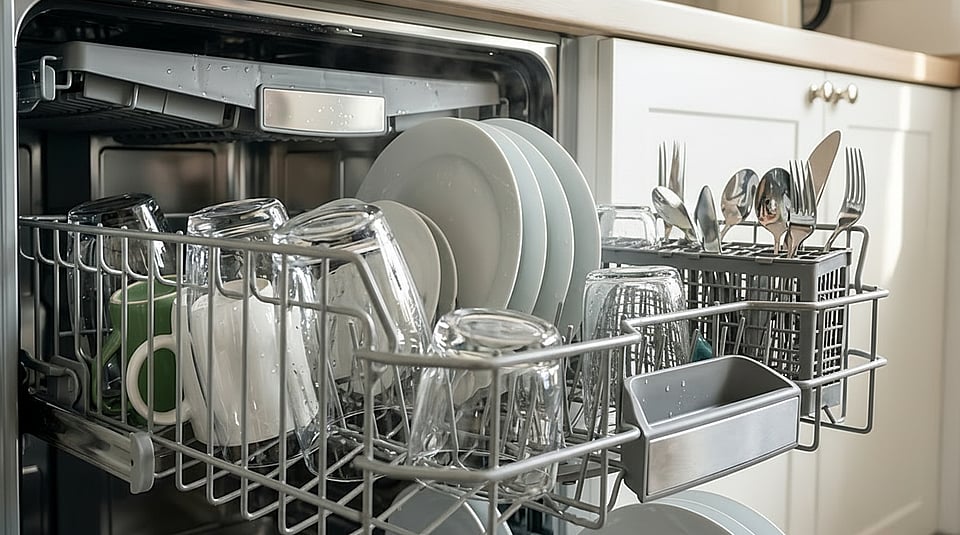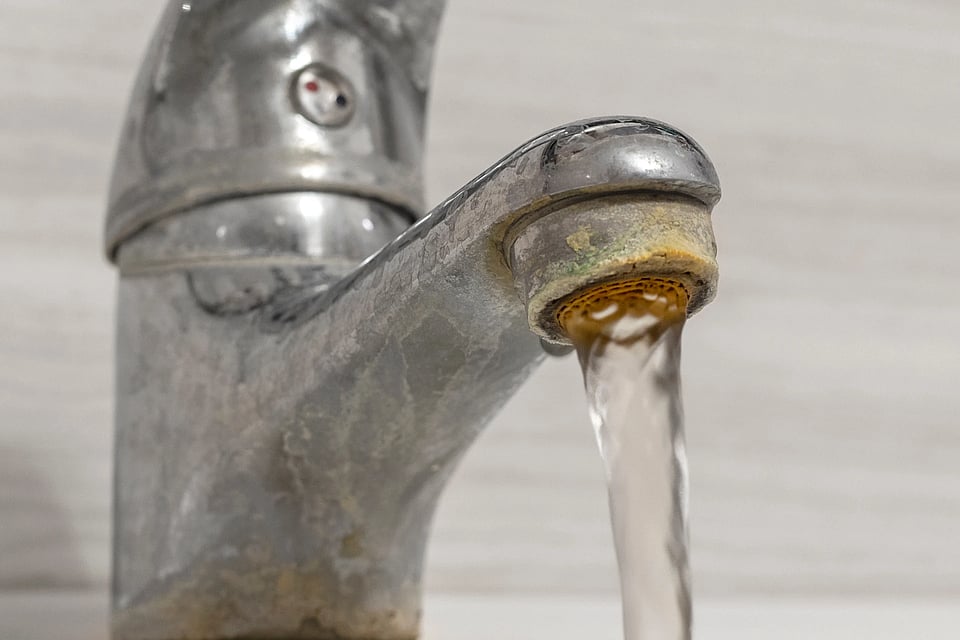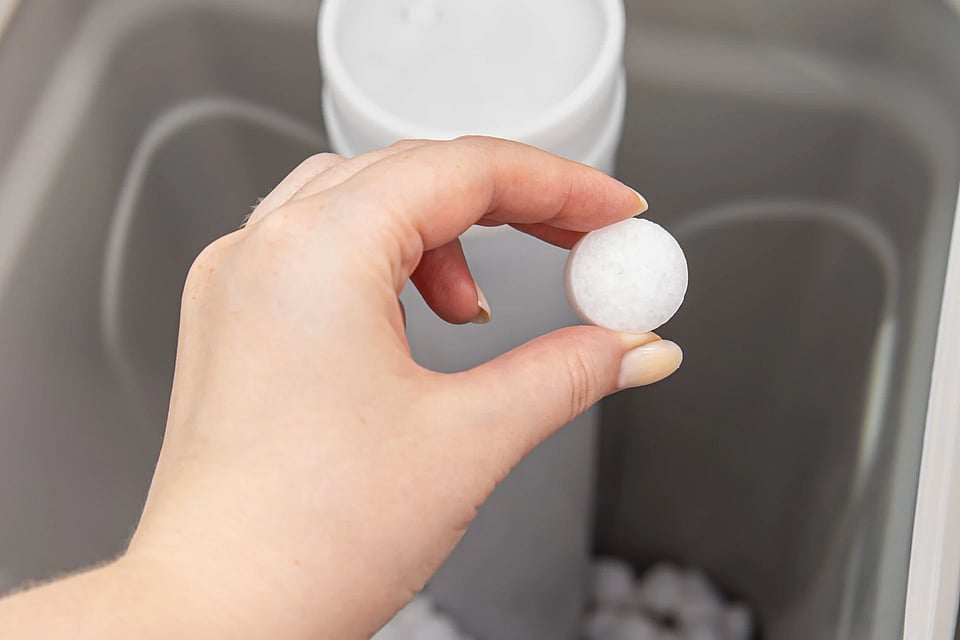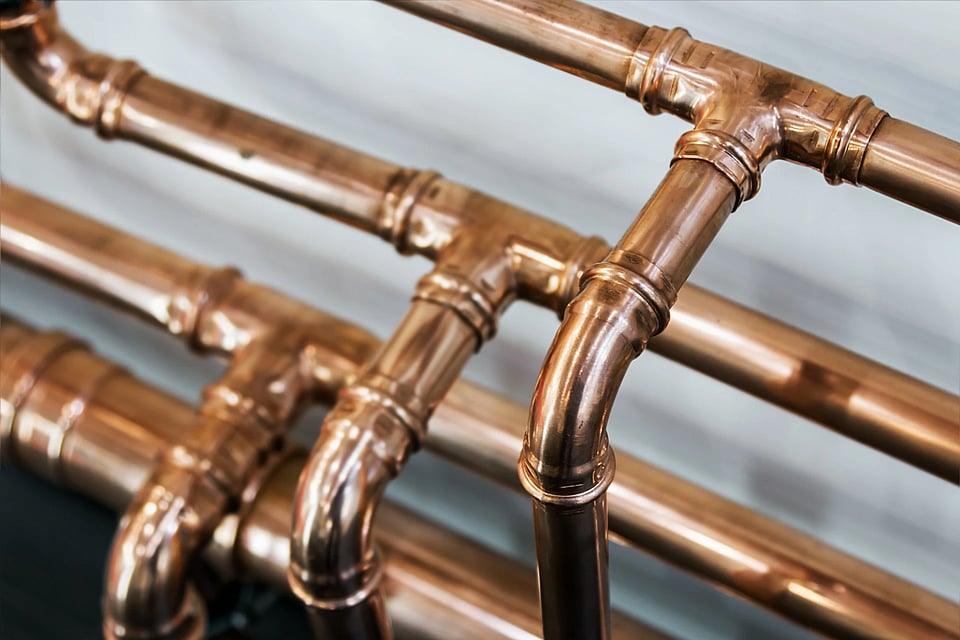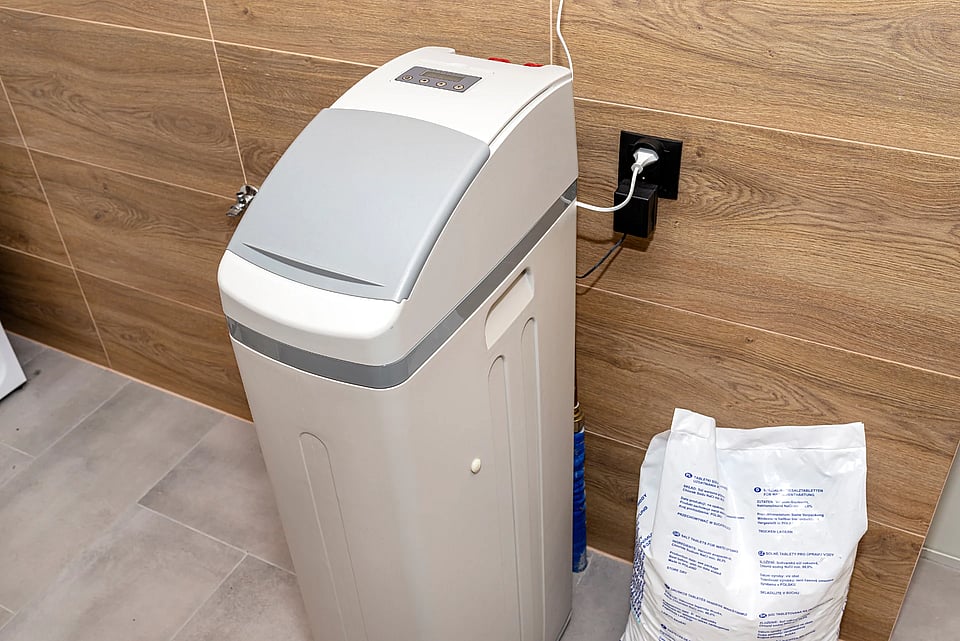

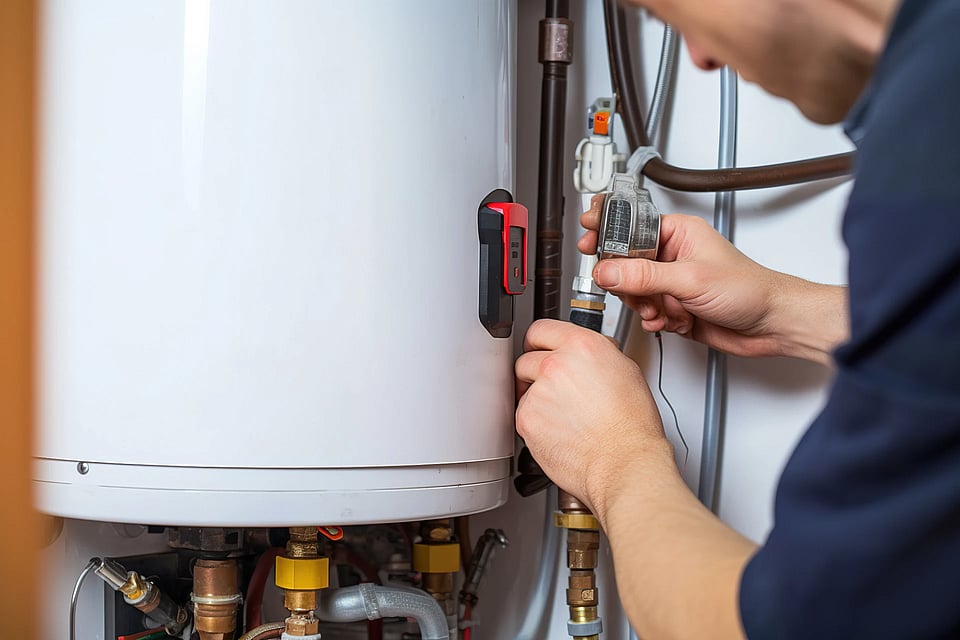
4 Effects Hard Water has on your Water Heater
Hard water can cut efficiency, hurt performance, force more flushes, and shorten heater life — a water softener helps protect the unit.
Read More
Plain-language answers on hard water, well water, PFAS, and more.
Hard water can cut efficiency, hurt performance, force more flushes, and shorten heater life — a water softener helps protect the unit.
Read MoreIron, other metals, low pH, and aging pipes can all cause a metallic taste — here’s what it means and how to fix it.
Read More
From bad taste and odor to limescale, stains, and dry skin — these are common signs your home may benefit from water treatment.
Read More
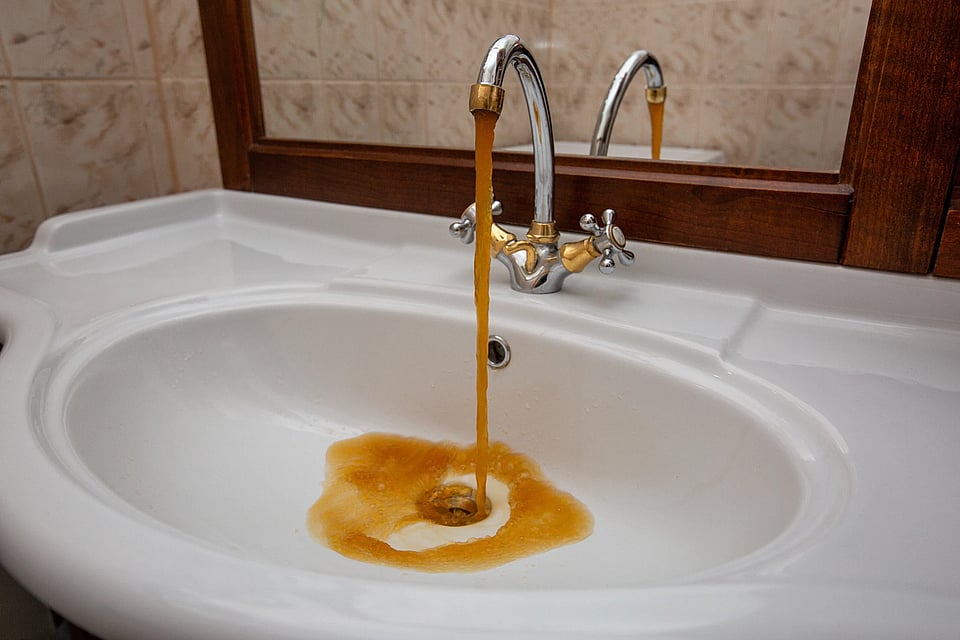
Yellow or tea-colored water, yellow stains, and a musty smell can point to tannins — and filtration can help remove them.
Read More
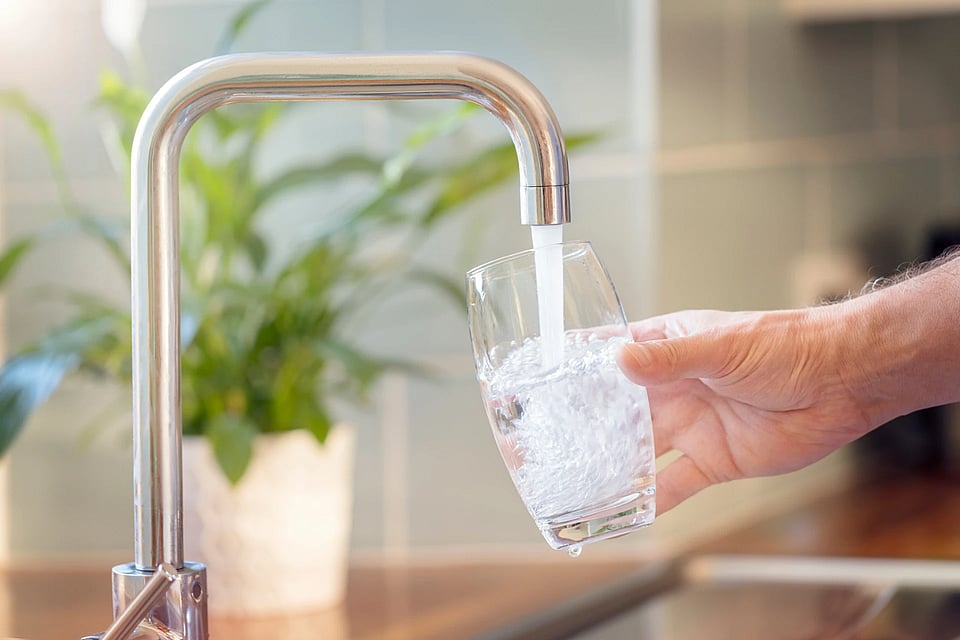
How better water quality supports health at home — and how softened water protects appliances, detergents, and efficiency.
Read More
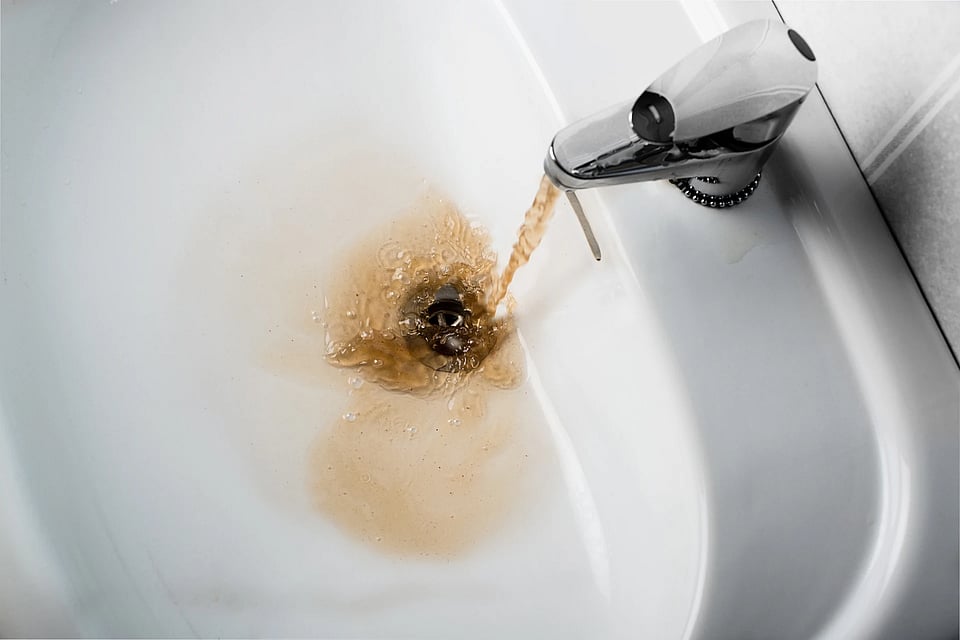
Limescale, spotty glassware, rough laundry, and dry skin can all signal hard water — here’s how to spot it and confirm with a free test.
Read More
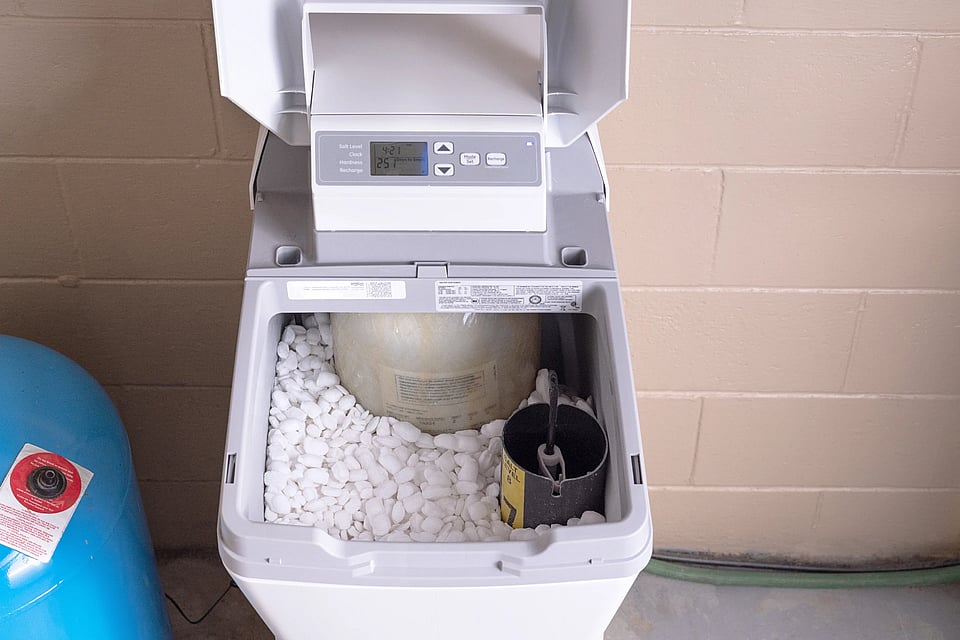
From minerals and sodium to “slimy” skin and purification claims — we bust five common myths about water softeners.
Read More
Softer skin and hair, less soap scum, shinier dishes, and longer-lasting appliances — the everyday advantages of soft water.
Read More
How bacteria reaches public and private supplies, which types show up most often, and how whole-house treatment can help keep taps safer.
Read More
Need a compact water softener for a tight mechanical room? Get space-saving systems that fight scale, protect appliances, and keep showers cleaner.
Read More
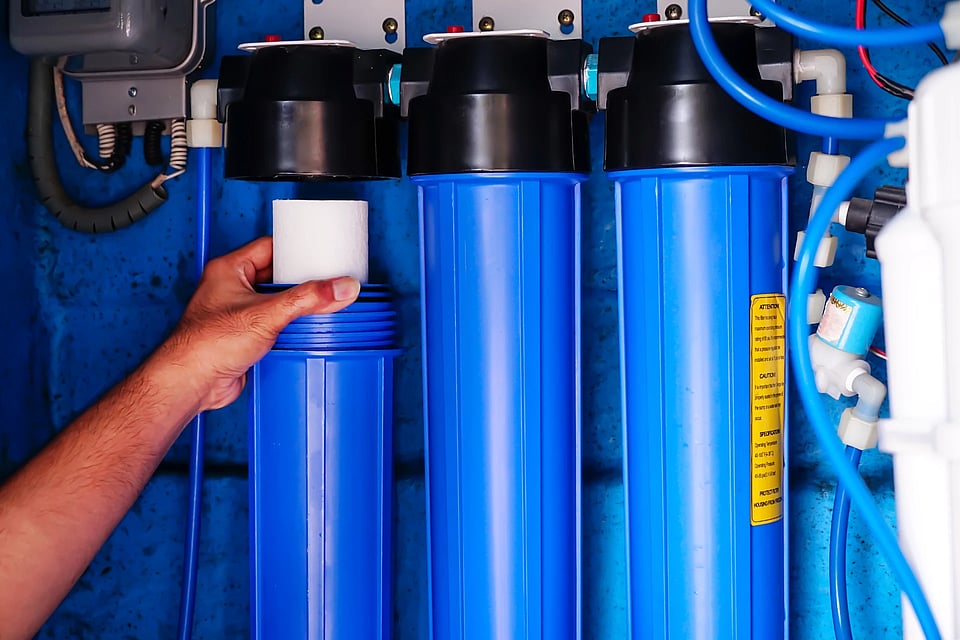
Stinging, red eyes after showers often come from chlorine, chloramines, or hard water. Learn why it happens and how treatment can help.
Read More
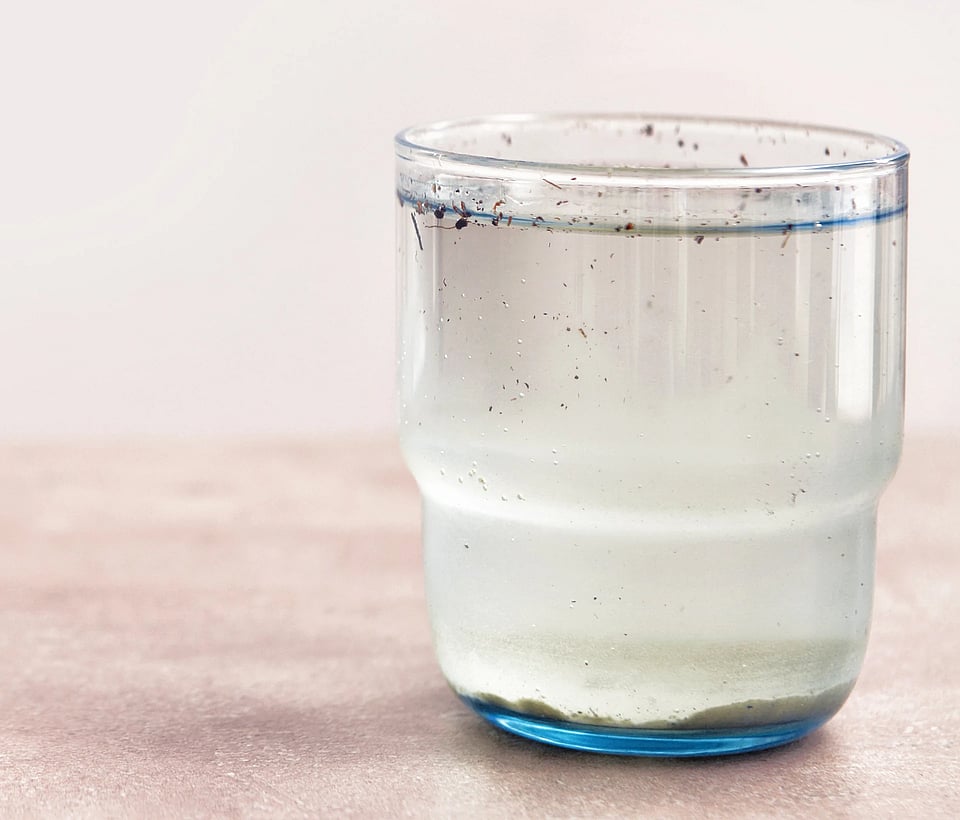
Hard water in Eastern PA and NJ can clog pipes, cut water heater efficiency, leave limescale, and dry out skin. Learn the effects and how a softener helps.
Read More
Straight answers on hard water, how softeners work, installation, benefits, lifespan, soft water health, and regeneration.
Read More

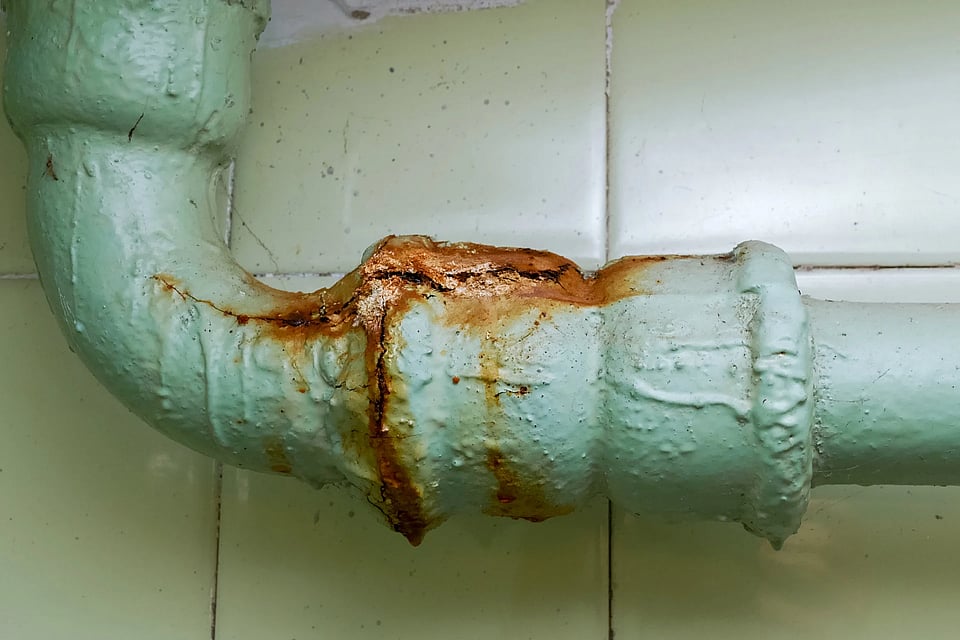
Hard water minerals build up inside pipes, cutting flow and raising clog and burst risk. Learn how a softener protects your plumbing.
Read More
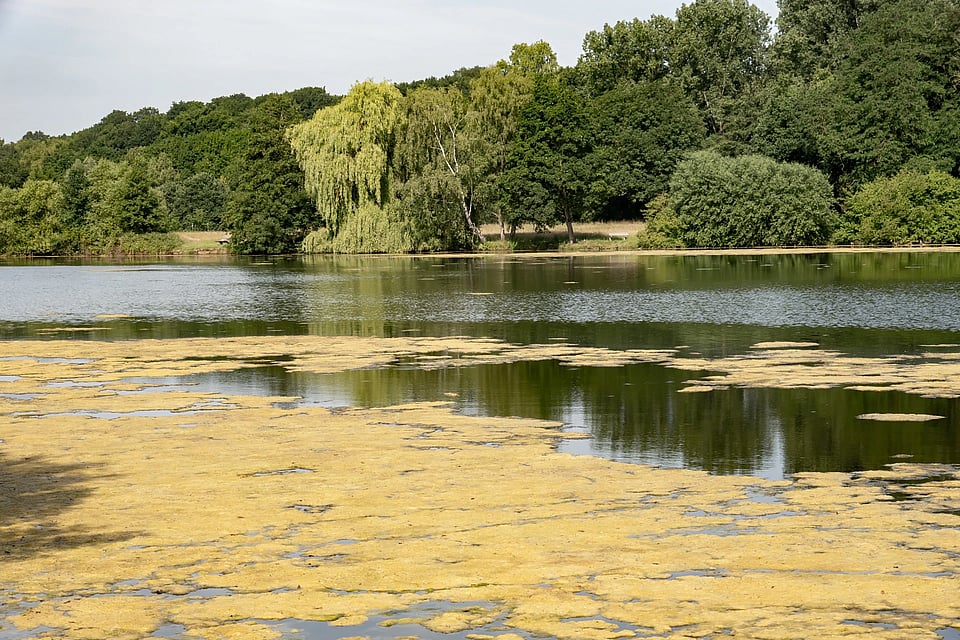
Algae in lakes and rivers can make tap water taste musty, smell earthy, and carry toxins. Learn how whole-house filtration helps.
Read More
City water meets EPA safety standards, but hardness and chlorine often remain. Learn when a softener and filter help.
Read More
Water softeners can reduce some ferrous iron, but they’re not a primary iron filter. Learn ferrous vs ferric iron and when to add dedicated treatment.
Read More
Learn what boil water advisories mean, which contaminants are a concern, and how UV disinfection can help protect your home.
Read More
Fridge filters use small carbon media and only treat one tap. Learn their limits and when whole-house or point-of-use filtration is better.
Read More
Water problems vary by U.S. region—from hardness and iron to chlorine, tannins, and lead. See what’s common where you live.
Read More
Softening and filtration solve different problems. Learn when you need one, both, or a combined WaterMax system.
Read More
Sediment clouds water and can clog plumbing and treatment gear. Learn what sediment is and how a sediment pre-filter protects your systems.
Read More
Chlorine, THMs, and hard water can affect showers. Learn the health and skin effects—and how whole-house filtration and softening help.
Read More
Learn what a resin bed is, how chlorine, iron, and water hammering damage it, and how filtration and maintenance help prevent replacement.
Read More
Learn how reverse osmosis membranes remove bacteria from tap water, when a UV light can help, and how to protect drinking water at home.
Read More
Learn how copper gets into tap water from pipe corrosion, the warning signs and health effects, and how pH correction and filtration can help remove it.
Read More
Learn what E. coli is, how it gets into drinking water from runoff and sewage, the health risks, and how UV can help protect your home’s water.
Read More
Learn how a water softener improves bathroom water pressure, hotter showers, fewer drain clogs, less limescale, and cleaner hair and skin.
Read More
Learn whether softened water is OK to drink, how much sodium a softener adds, and when reverse osmosis can provide sodium-free drinking water.
Read More
Learn how pharmaceutical drugs get into drinking water, how common they are, possible health concerns, and how home filtration can help remove them.
Read More
Compare point of use and point of entry water filters, when each makes sense, and how a free water test can help you choose the right system.
Read More
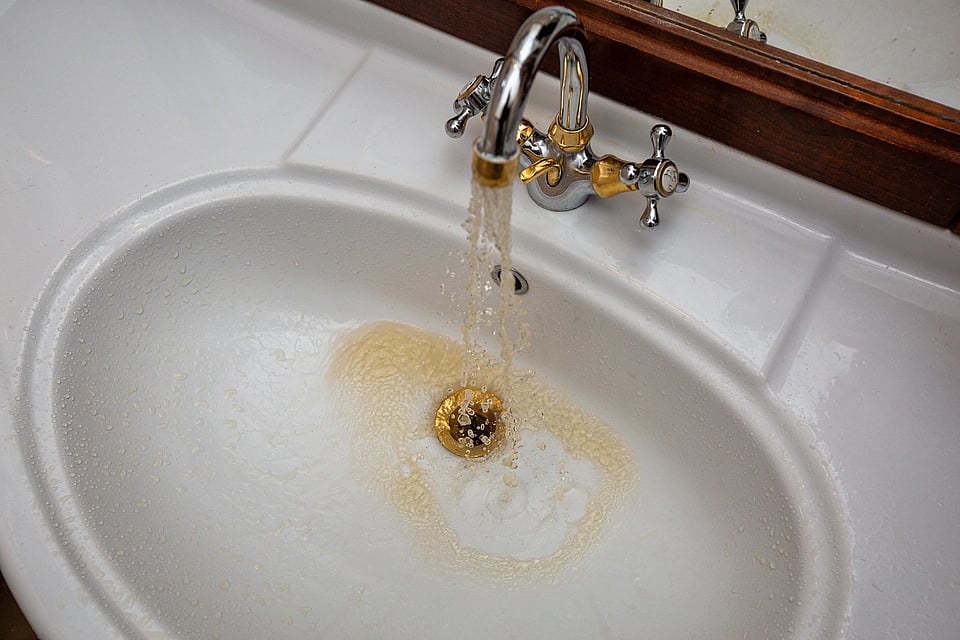
Learn how iron in water can affect health, skin, taste, staining, and plumbing—and how softening or iron treatment can help solve the problem.
Read More
Compare sodium chloride and potassium chloride regenerant for water softeners—cost, softening performance, health considerations, and how to choose.
Read More
Learn why tap water can smell like rotten eggs from hydrogen sulfide or bacteria, how to find the source, and how filtration can help.
Read More
Learn why chlorine was added to drinking water, possible health concerns from chlorine and THMs, and how filtration can help protect your family.
Read More
Learn why water is essential to the body, how hydration supports fluids, kidneys, and skin, and why clean drinking water matters.
Read More
Compare carbon, reverse osmosis, sediment, and ion exchange filtration, plus softener vs filter and point-of-use vs point-of-entry options.
Read More
Learn what sediment is, how it gets into city and well water, related health concerns, and how a sediment filter can remove visible particles.
Read More
Learn the difference between water softeners and water filters, how each works, and how a free water test can help you choose the right system.
Read More
Farm runoff, fertilizers, pesticides, and animal waste can affect private wells — learn how RO and UV systems can help protect your water.
Read More
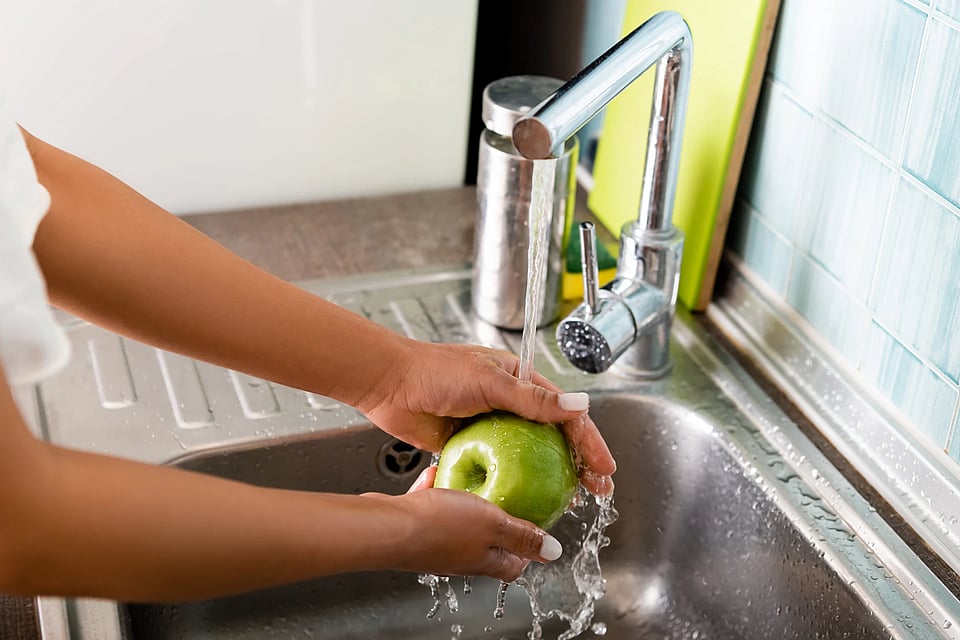
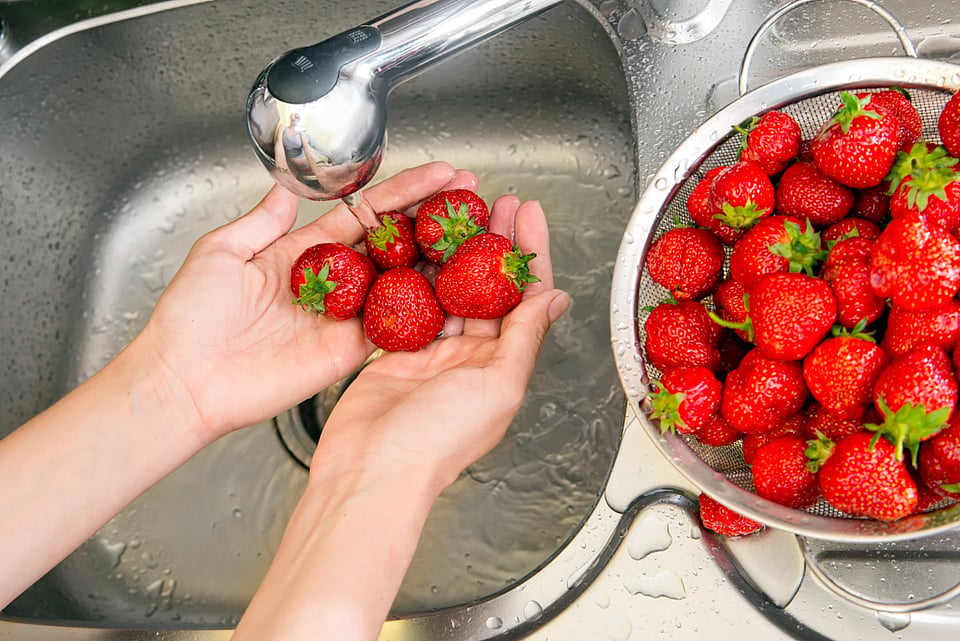
Washing organic produce in unfiltered tap water can reintroduce pesticides, pharmaceuticals, and other contaminants — filtration helps keep food clean.
Read More
Learn what TDS means, how high levels affect taste, smell, and appliances, and how whole-house or RO filtration can help.
Read More
Hard water minerals can dry skin, clog pores, and worsen acne or eczema — a water softener can help protect your skin at home.
Read More
Learn how activated carbon filters work, what they remove (like chlorine taste and odor), their limits, and how they’re used in Hague systems.
Read More
Learn what chloramine is, why water plants add it, possible health effects from THMs, and how whole-house filtration can remove it at home.
Read More
See how the WaterMax stands out with Absolute Brining, high efficiency, long life, compact design, and built-in filtration.
Read More
Learn why tap water can smell like chlorine year-round or seasonally, how chloramine switches play a role, and how filtration can help.
Read More
Rotten-egg tap water is usually hydrogen sulfide from wells, a water heater anode, or sewage — learn causes and how treatment can help.
Read More